Your Essential Guide to the Island’s Tropical Charm
Planning a trip to Sri Lanka often feels like solving a beautiful, tropical puzzle. Because we are an island nestled just above the equator, the "best time to visit" isn't a single date—it depends entirely on which coast you want to lounge on and whether you prefer misty mountains or sun-drenched surf.
More Than Just Sun and Sea: The Variety of Sri Lanka’s Climate
Sri Lanka is blessed with a tropical climate, but it’s far from one-note. Its proximity to the equator means temperatures stay pretty warm year-round, mostly hovering between 26°C and 32°C. However, the real intrigue comes with the monsoon seasons that sweep across different parts of the island at different times, creating a patchwork of weather patterns.
The country essentially experiences two main monsoon seasons: the Southwest Monsoon from May to September brings rain to the western and southern coasts, including popular spots like Colombo and Galle. Meanwhile, the Northeast Monsoon hits from December to February, drenching the northern and eastern regions like Trincomalee and Batticaloa.
When to Visit? Timing Your Trip Around the Weather
If your beach days are non-negotiable, aim for the inter-monsoonal periods—generally from March to April and October to November—when the weather is relatively dry across the island. This is when the skies are clearer, the humidity’s tolerable, and the landscape is lush from recent rains.
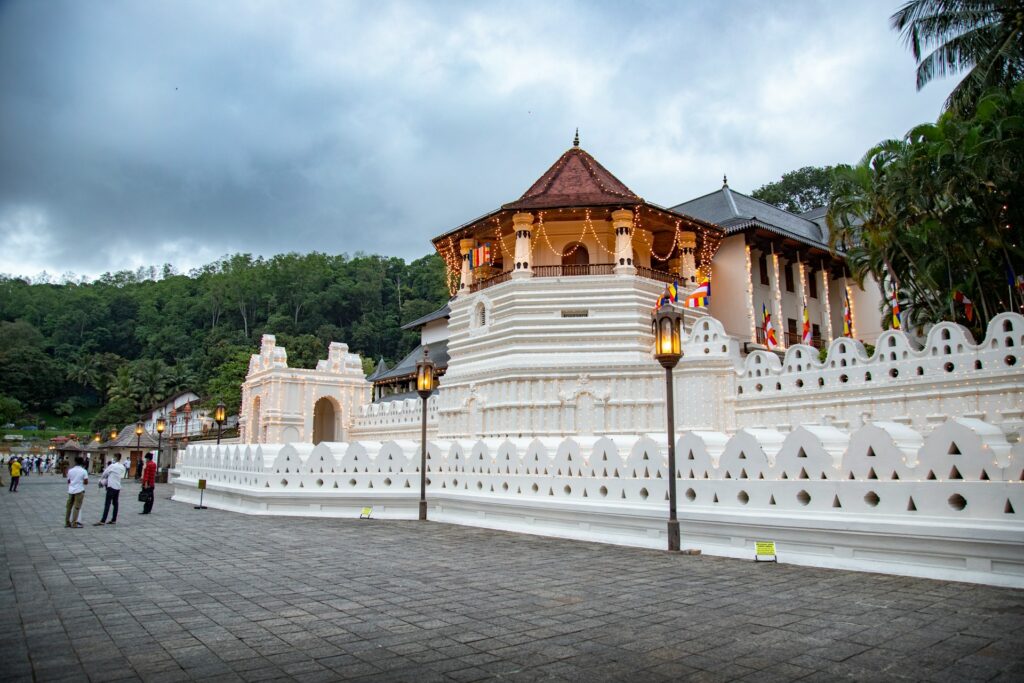
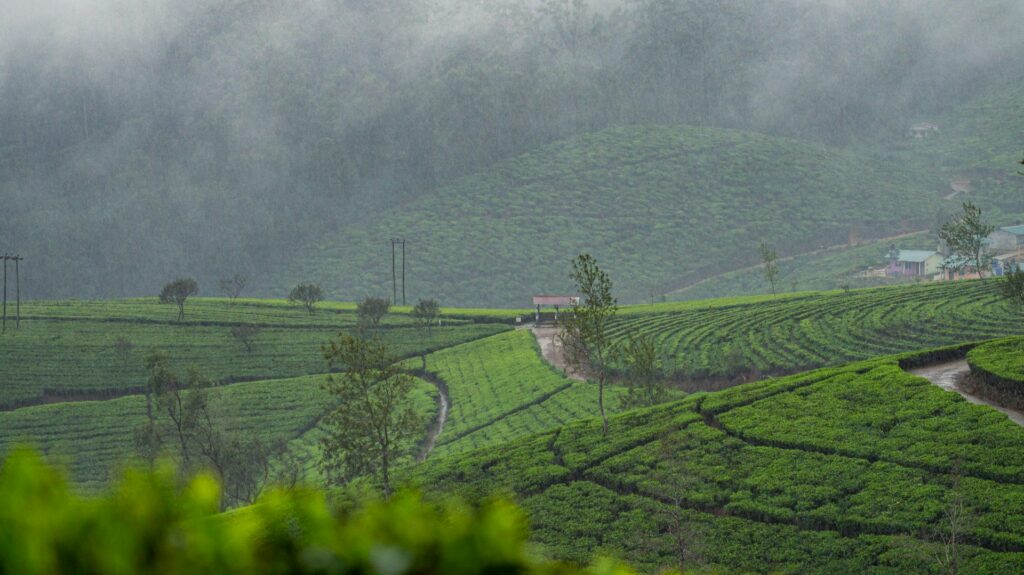
Planning to explore the cultural treasures in the central highlands — think Kandy, Nuwara Eliya, and the tea country? The hills have their own microclimate, cooler and often misty, especially from May to August when showers are frequent. If you don’t mind a bit of mist between your trekking boots, any time from December to April is ideal for hill country travels.
The Tale of Two Monsoons
Sri Lanka is unique because it is affected by two separate monsoon seasons. This is great news for travelers: it is always the "dry season" somewhere on the island.
The Yala Monsoon (Southwest)
- When: May to September
- Affects: Colombo, Galle, Mirissa, and the Hill Country (Ella, Nuwara Eliya).
- What to expect: Short, heavy afternoon bursts of rain. While the sea can be rough for swimming, the countryside turns a brilliant, lush green.
The Maha Monsoon (Northeast)
- When: October to January
- Affects: Trincomalee, Arugam Bay, and Jaffna.
- What to expect: Steadier rain in the North and East. This is the time to head to the South and West coasts instead!
Weather by Region: Where to Go When
If you’re looking for a quick "cheat sheet" for your itinerary, use this table to match your travel dates with the best regions:
Region
Best Months (Dry)
What to Pack
South & West Coast
- Galle, Mirissa, Bentota
December – April
Swimwear, sunscreen, and flip-flops
East Coast
- Trincomalee, Arugam Bay, Pasikudah
April – September
Surf gear and light cotton clothes
Cultural Triangle
- Sigiriya, Dambulla, Anuradhapura
January – September
Comfortable walking shoes and a hat
Hill Country
- Nuwara Eliya, Ella, Kandy
January – March
A light jacket or sweater (it gets chilly!)
The "Inter-Monsoon" Seasons
In between the big monsoons (specifically March-April and October-November), the weather can be a bit of a wildcard. You might experience "convectional rains"—sudden evening thunderstorms that clear up as quickly as they arrive.
Pro Tip: April is the hottest month in Sri Lanka. It’s also when we celebrate the Sinhala and Tamil New Year, so expect high temperatures and even higher spirits!
Temperature Expectations
Unlike four-season countries, our temperatures stay fairly consistent.
- The Coast : A steady 27°C – 32°C. It’s tropical, humid, and perfect for the beach.
- The Highlands : This is our "Little England." In places like Nuwara Eliya, temperatures can drop to 10°C – 15°C at night. Don't forget a hoodie!
Rain in Sri Lanka rarely lasts all day. Even during the monsoon, you’ll often get hours of glorious sunshine followed by a dramatic, cooling downpour. Embrace it—it's what makes our island so green!
Pack Smart: What to Bring for Sri Lanka’s Weather
- Light, breathable clothing: Cotton or linen are your best friends in the heat.
- A good rain jacket or umbrella: Monsoon showers can be sudden but usually don’t last all day.
- Sun protection: Don’t skimp on sunscreen, hats, and sunglasses — the equatorial sun is fierce.
- Comfortable shoes: Whether you’re sightseeing or hiking, sturdy footwear is a must.
Weather’s Impact on Culture and Daily Life
Beyond planning your itinerary, understanding Sri Lanka’s weather adds layers to your experience. Festivals and religious events often sync with seasonal cycles — like the Esala Perahera in July or August, coinciding with the dry spell that lets this grand procession unfold without interruption.
Local life pulses in tune with the rains: fishermen adjust their schedules, farmers tend rice paddies that thrive during wet periods, and roadside tea stalls offer shelter from sudden drizzles, making each weather change a cultural story in its own right.
Sri Lanka’s weather is more than just a backdrop; it’s a dynamic, living part of the island’s charm. So, whether you find yourself basking in golden sunshine or caught dancing in an unexpected downpour, there’s a kind of magic in every drop and ray.
Ready to start packing?
Whether you're chasing the surf in Arugam Bay or hiking the Pekoe Trail in the mist, the weather is part of the adventure. Would you like us to create your own preferred itinerary based on the specific month you're planning to visit?